

Do you love poppy seeds? If so, I have got an amazing recipe for you-a classic Old Bohemian poppy seed roll that's sure to delight anyone who tries it!
This is the revised version from 12/2023. You can find the original poppy seed roll recipe at this link.
➜ What is a Czech poppy seed roll?
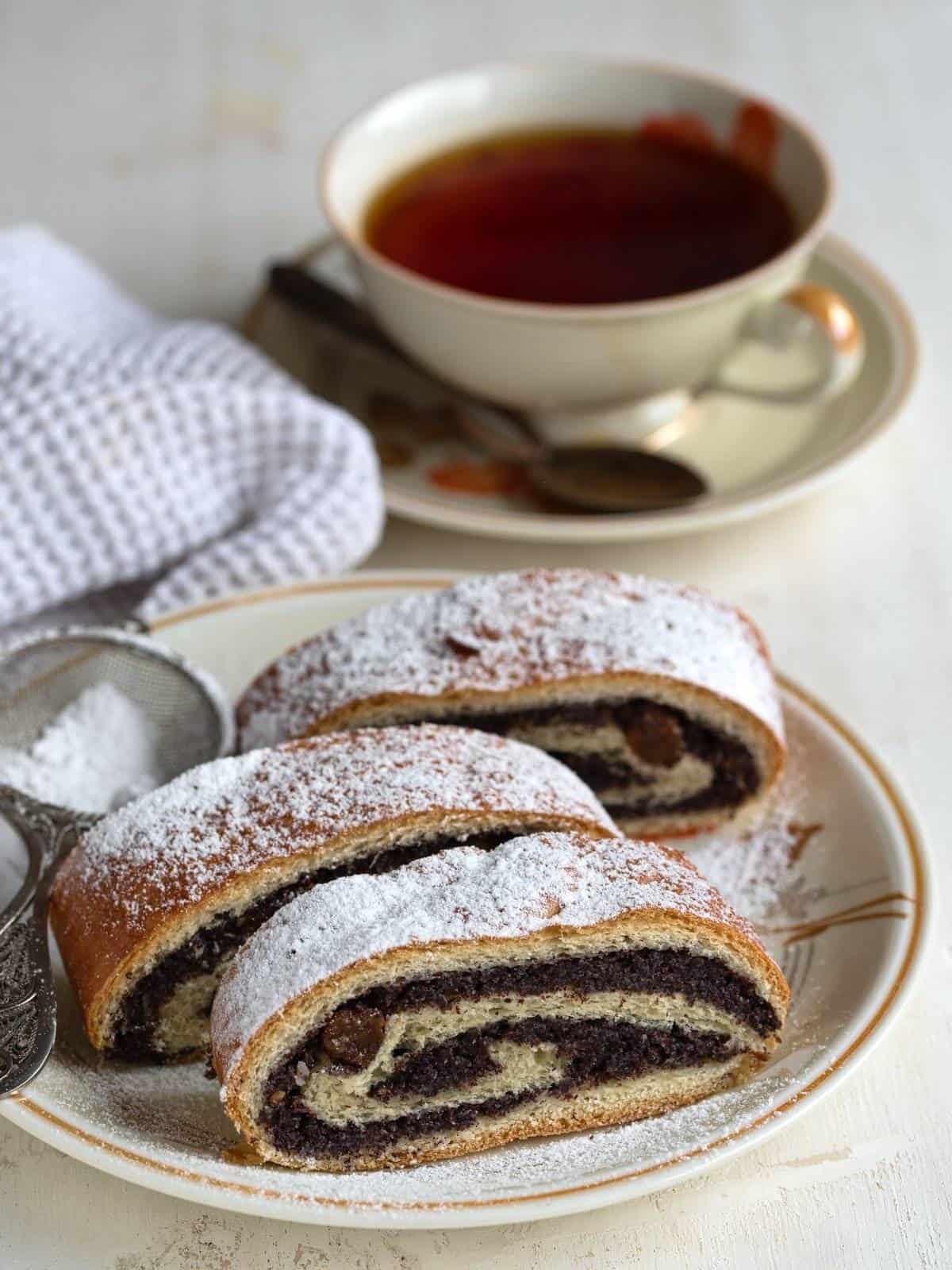
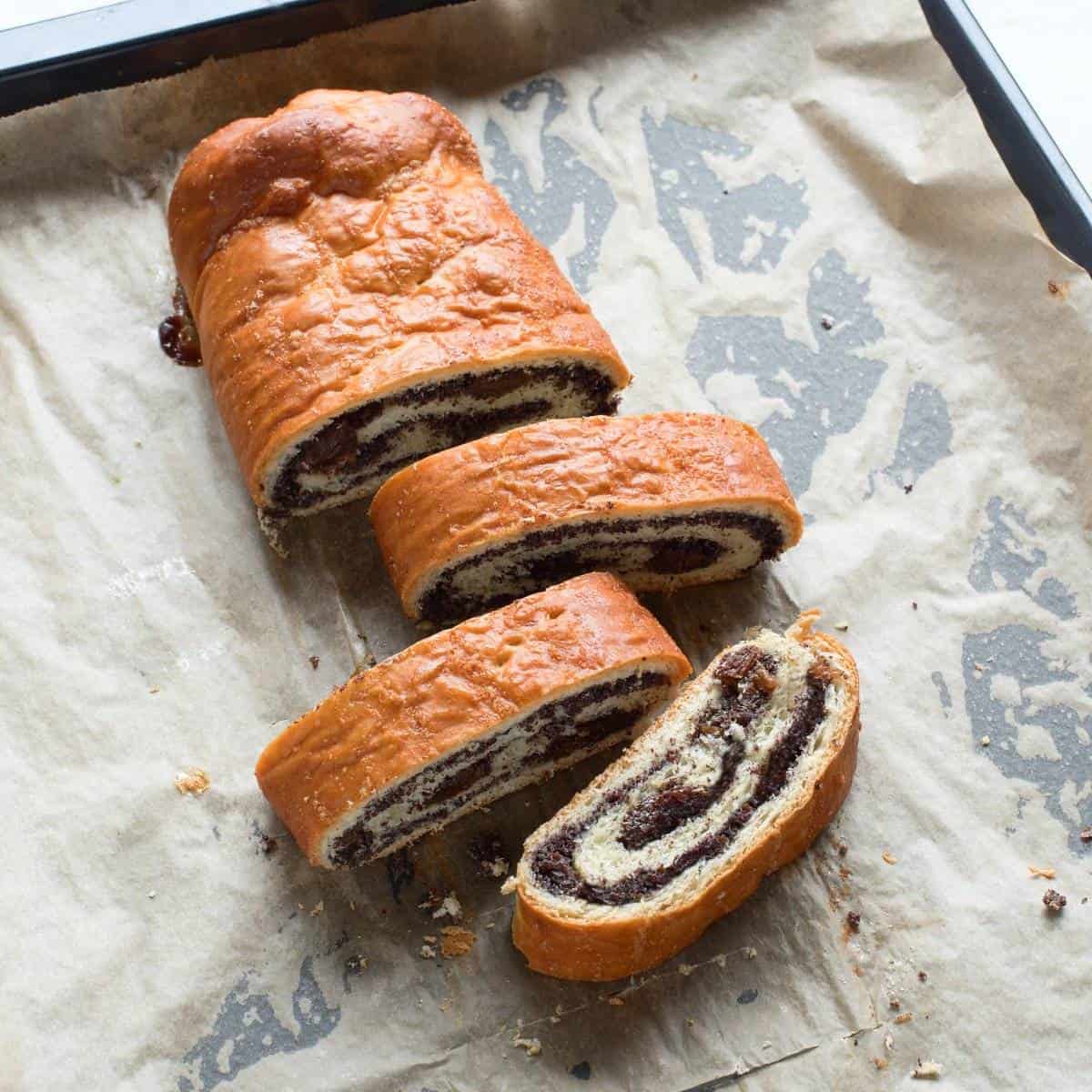
This Czech poppy seed roll is a sweet bread made of yeast dough, generously filled with poppy seed filling, and rolled up into a loaf shape. Once baked, this roll is lightly dusted with powdered sugar and sliced into individual portions.
This delicacy is called "makový závin" or "makový štrúdl" in the Czech Republic.
Czech grandmothers used to bake these rolls at Christmas-not only poppy seed rolls but also nut rolls (ořechový závin) or a delicious apple strudel (jablečný štrúdl) made of stretched dough or puff pastry.
Sweet poppy seed bread rolls are also highly favored among our neighbors in Slovakia, where they're known as "maková štrúdla."
Meanwhile, in Poland, bordering the Czech Republic to the north, the poppy seed roll is called "makowiec." However, for us Czechs, there's a bit of a twist-the similar-sounding "makovec" refers to a poppy seed coffee cake topped with lemon icing, which can be a bit misleading.
Enough chatter-let's get baking!
➜ Ingredients
This recipe yields one loaf of poppyseed roll. You will find the precise measurements of the ingredients listed in the recipe card below.
Yeast roll dough ingredients:
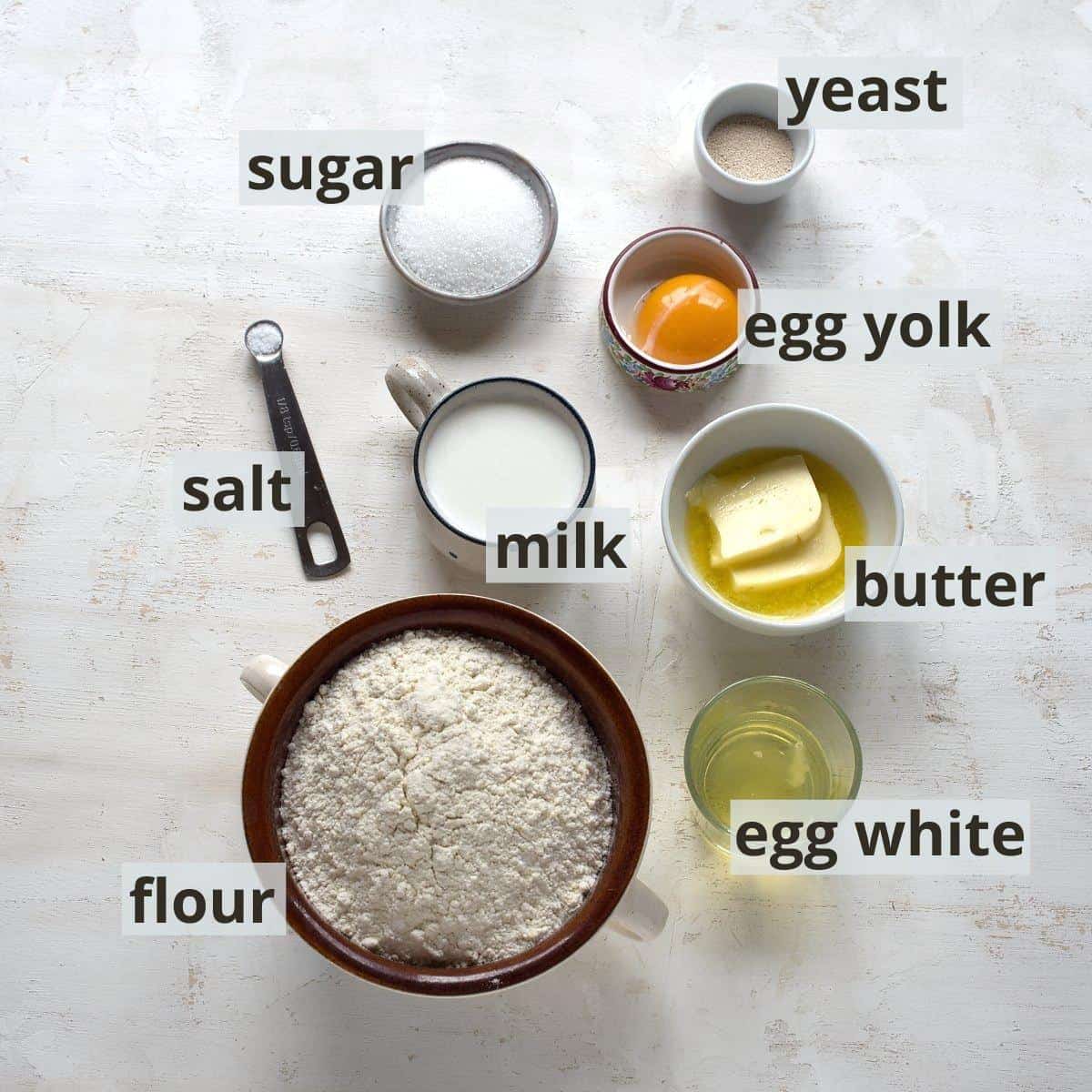
- All-purpose flour
- Milk; warm but not hot
- Granulated sugar
- Unsalted butter; softened at room temperature. I let the butter warm up in the microwave for about 30 seconds, especially if I forget to take it out of the fridge on time.
- Active dry yeast
- Egg yolk; set aside the egg white for later, to brush the strudel roll before baking
- A pinch of salt; for a balanced flavor contrast
Poppyseed filling ingredients:
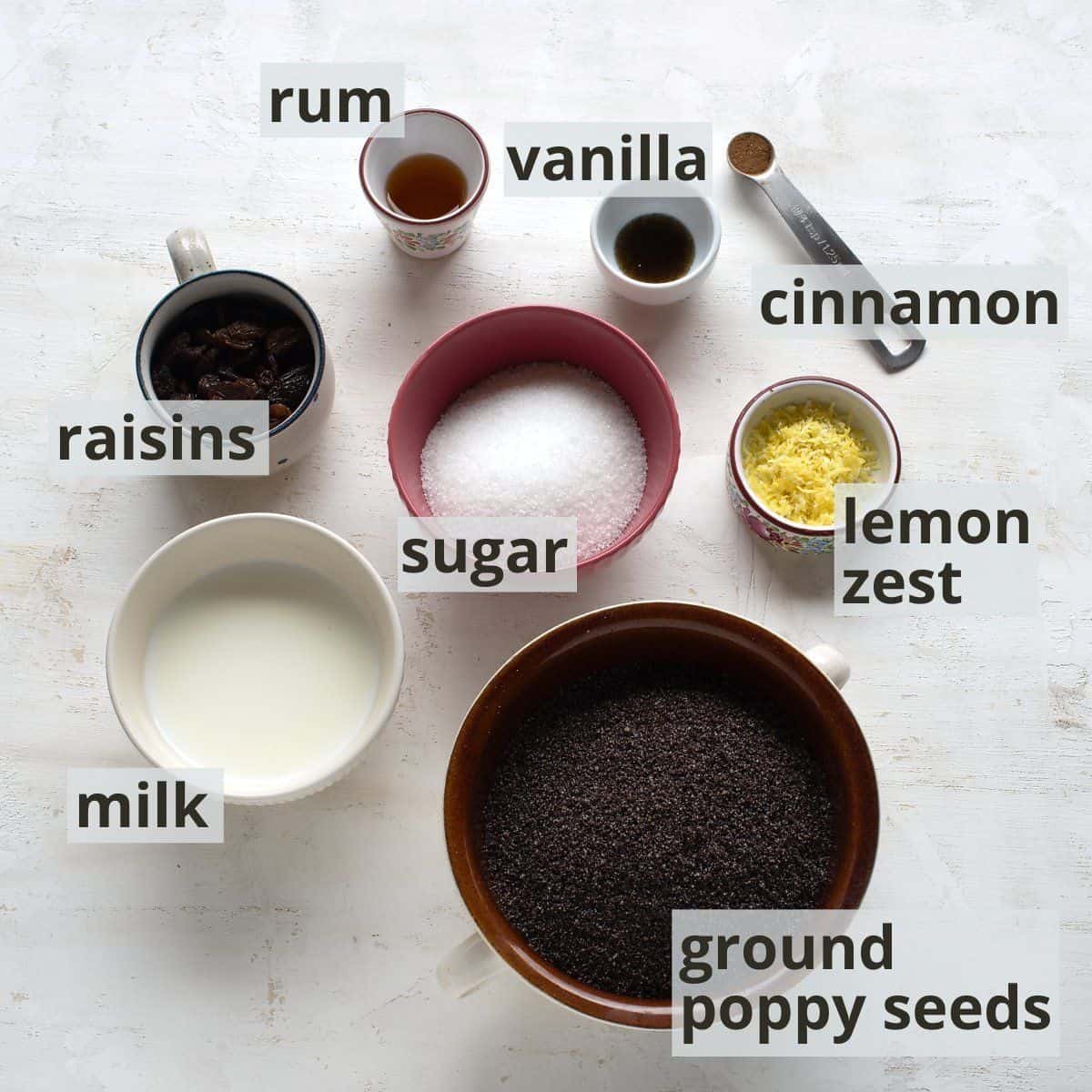
- Ground poppy seeds
- Milk
- Granulated sugar
- Vanilla paste; or vanilla essence
- Lemon zest; freshly grated
- Cinnamon; ground
- Raisins
- Spiced rum; e.g., Kirkland Costco (in the US) or Austrian Stroh 40/45
✅ See the recipe below with step-by-step photos and many helpful tips. Scroll down for the full printable recipe in both US cups and metric measurements.
Looking to enhance the aroma of your poppy seed filling? Try adding one or two ground cloves to it. In traditional Czech cookbooks, ground cloves were frequently used in poppy seed fillings for added fragrance.
Not having a spice grinder? Learn how to grind cloves and other dry spices by hand.
If you don't want to bother with preparing homemade poppy seed filling, you can opt for a store-bought variety, such as the Solo brand (in the US), as an alternative.
➜ How to make poppy seed roll
Making yeast dough:
Note: I process the yeast dough in a stand kitchen mixer fitted with a dough hook. If you have one in your kitchen, it's definitely worth using. You can also knead the dough manually with a wooden spoon, but that requires a certain level of experience and physical effort.
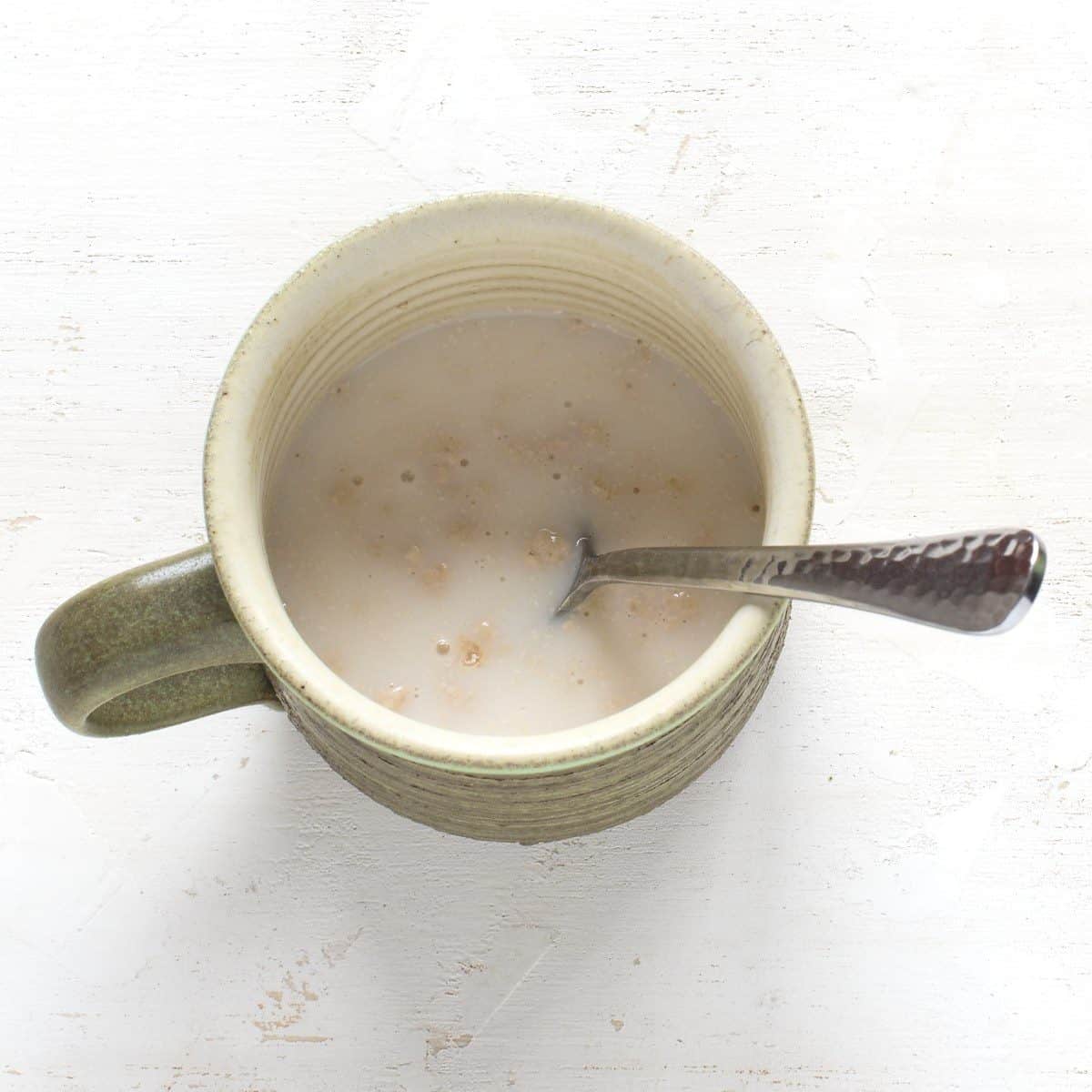
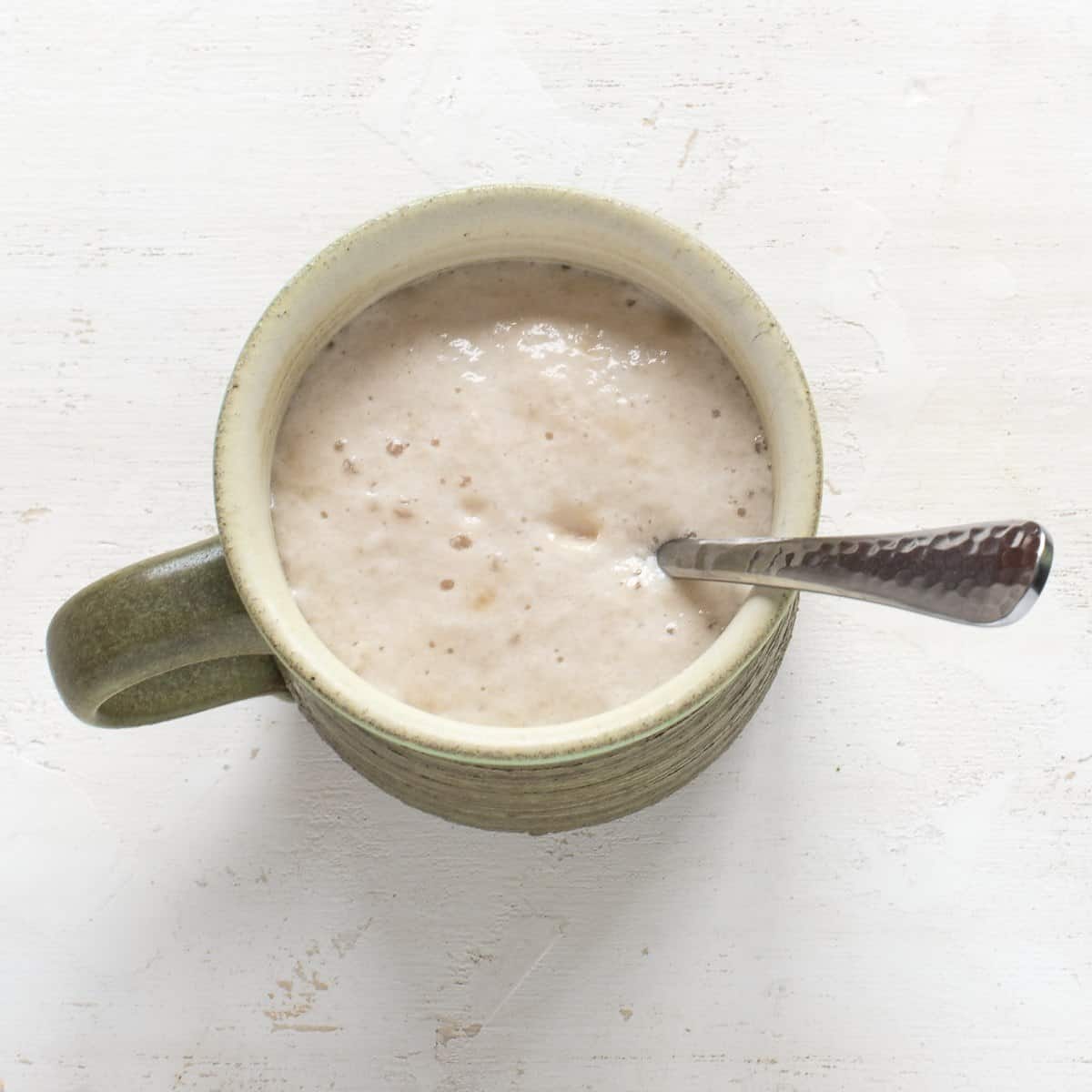
STEP 1/9: First, proof the yeast. Pour a teaspoon of sugar into warm milk, add active dry yeast, and stir. Let the yeast activate in a warm place; that means the yeast should be foamy on the surface. It all takes 10-15 minutes.
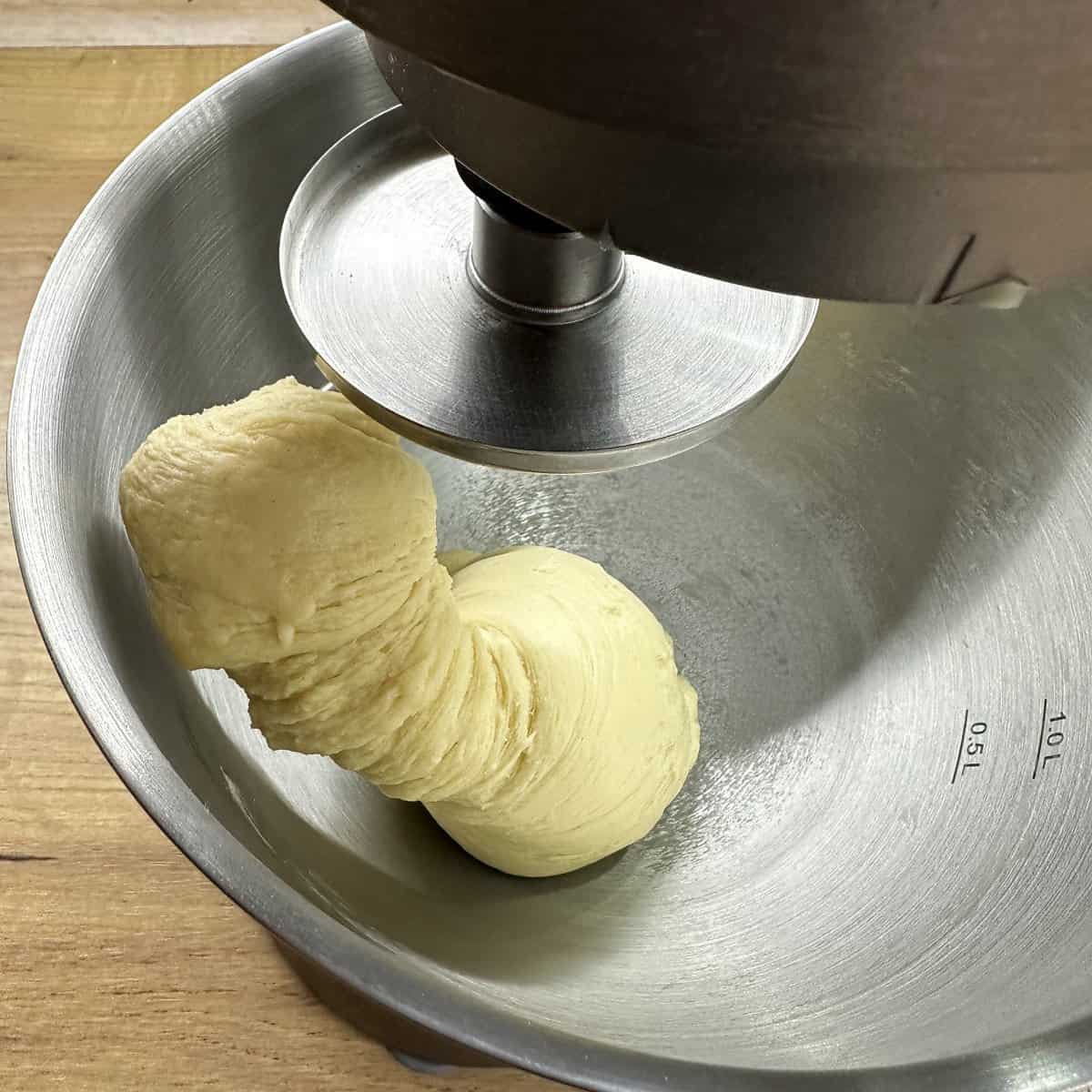
STEP 2/9: In the mixing bowl, pour in the flour, remaining sugar, yolk, and the activated yeast mixture with milk. Start the stand mixer at medium speed for about two minutes to roughly combine the ingredients. Then add the butter and salt, continuing to knead the dough-for about ten minutes-to achieve a very smooth and elastic texture.
STEP 3/9: Remove the finished dough from the dough hook, shape it into a ball, and place it in a bowl. Cover with a clean kitchen towel or plastic wrap, and let it rise in a warm spot until it doubles in size. This usually takes about an hour to two, depending on the surrounding conditions.
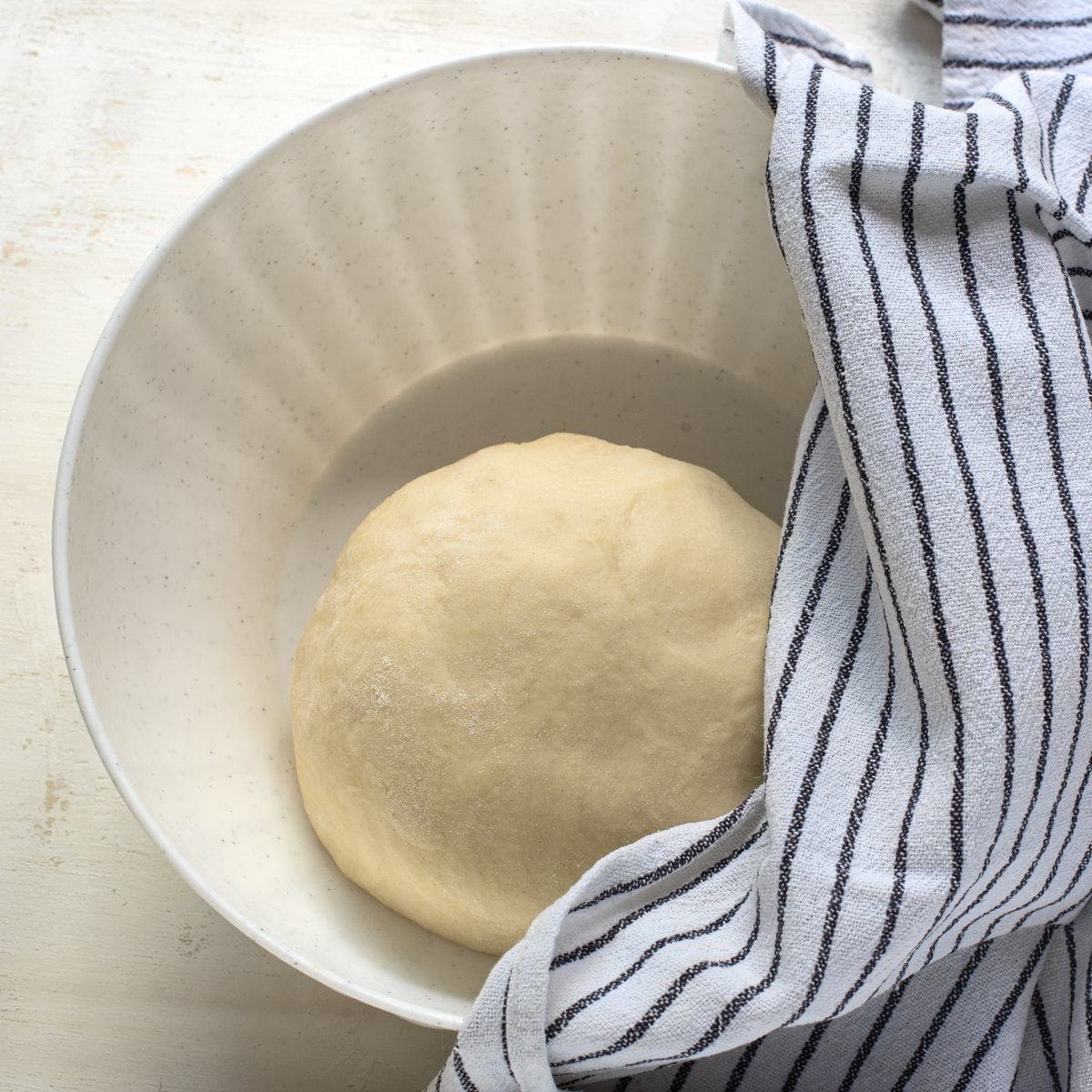
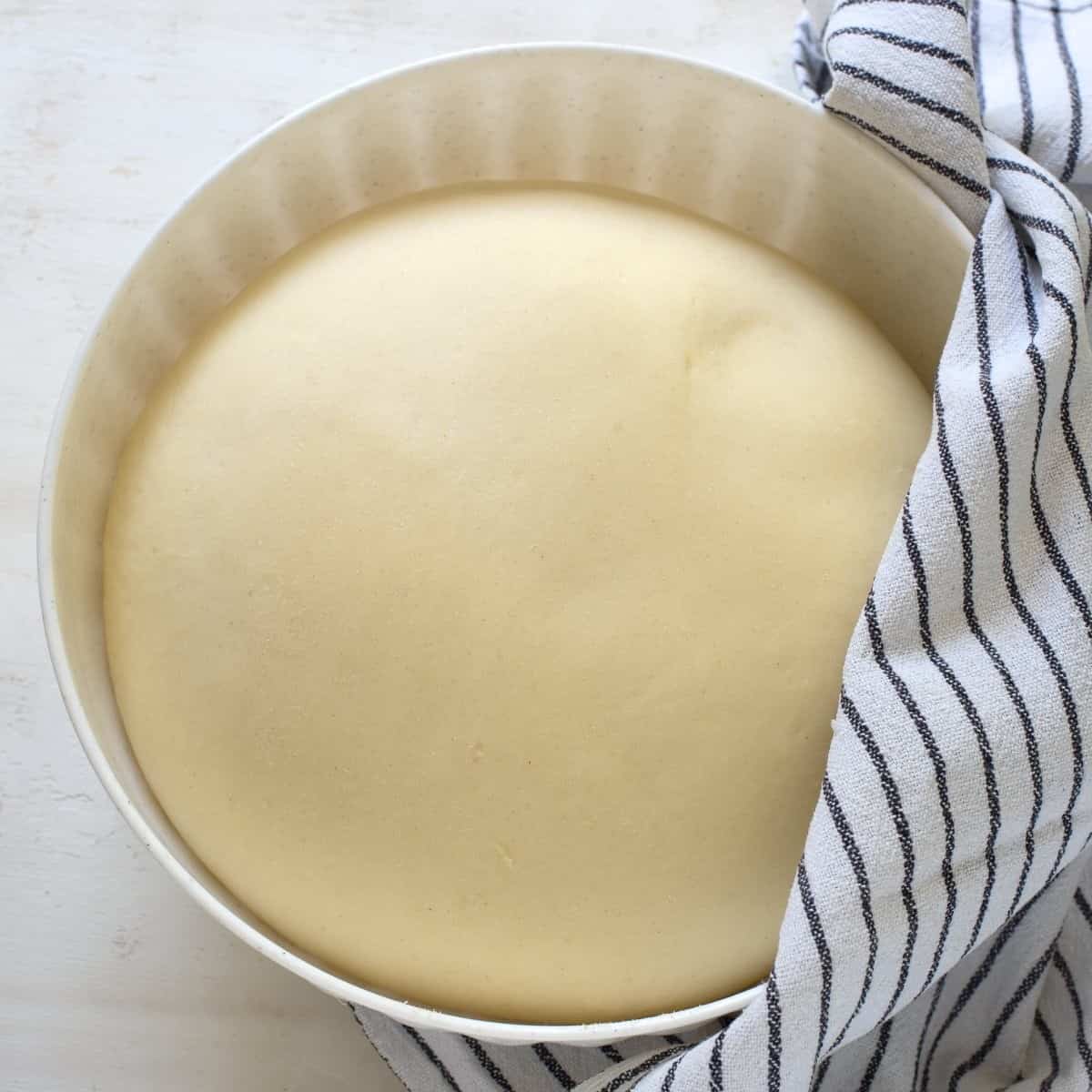
Midway through rising, it's beneficial to punch down the dough a few times with a spoon. This helps support its further rise.
Learn how to make the yeast dough rise in the oven.
Making poppy seed filling:
STEP 4/9: While the dough is rising, prepare the poppy seed filling. In a saucepan, heat milk with sugar; add the ground poppy seeds, raisins, cinnamon, lemon zest, and vanilla. Stir everything together. Reduce the heat and simmer for about ten minutes. Finally, add the rum. Let the filling cool on the kitchen counter.
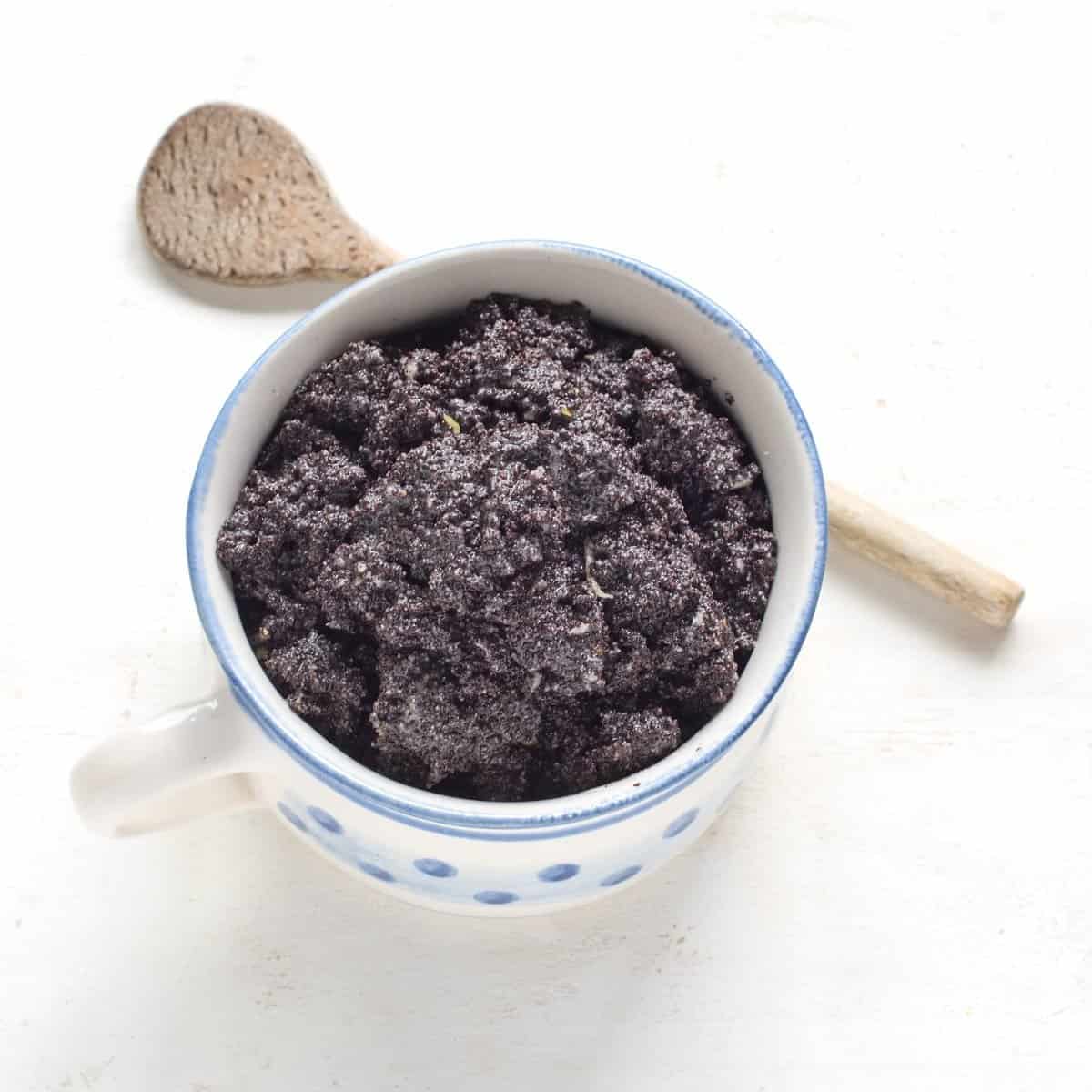
As the poppy seed filling cools, it gradually thickens. If it seems runny, add a handful of ground-plain wafers.
My mom always adds a spoonful of cream of wheat (Czech krupička) when cooking the filling and lets it simmer for a few minutes. The cream of wheat ensures that the poppy seed filling thickens beautifully.
Crafting the poppy seed roll:
STEP 5/9: Turn out the raised dough onto a lightly floured surface. Roll the dough into a roughly rectangular shape, if possible. The size depends on the baking sheet-the roll should comfortably fit lengthwise on the sheet.
I baked the poppy seed roll on a 16x14-inch baking sheet and rolled out the dough to about 14x12 inches.
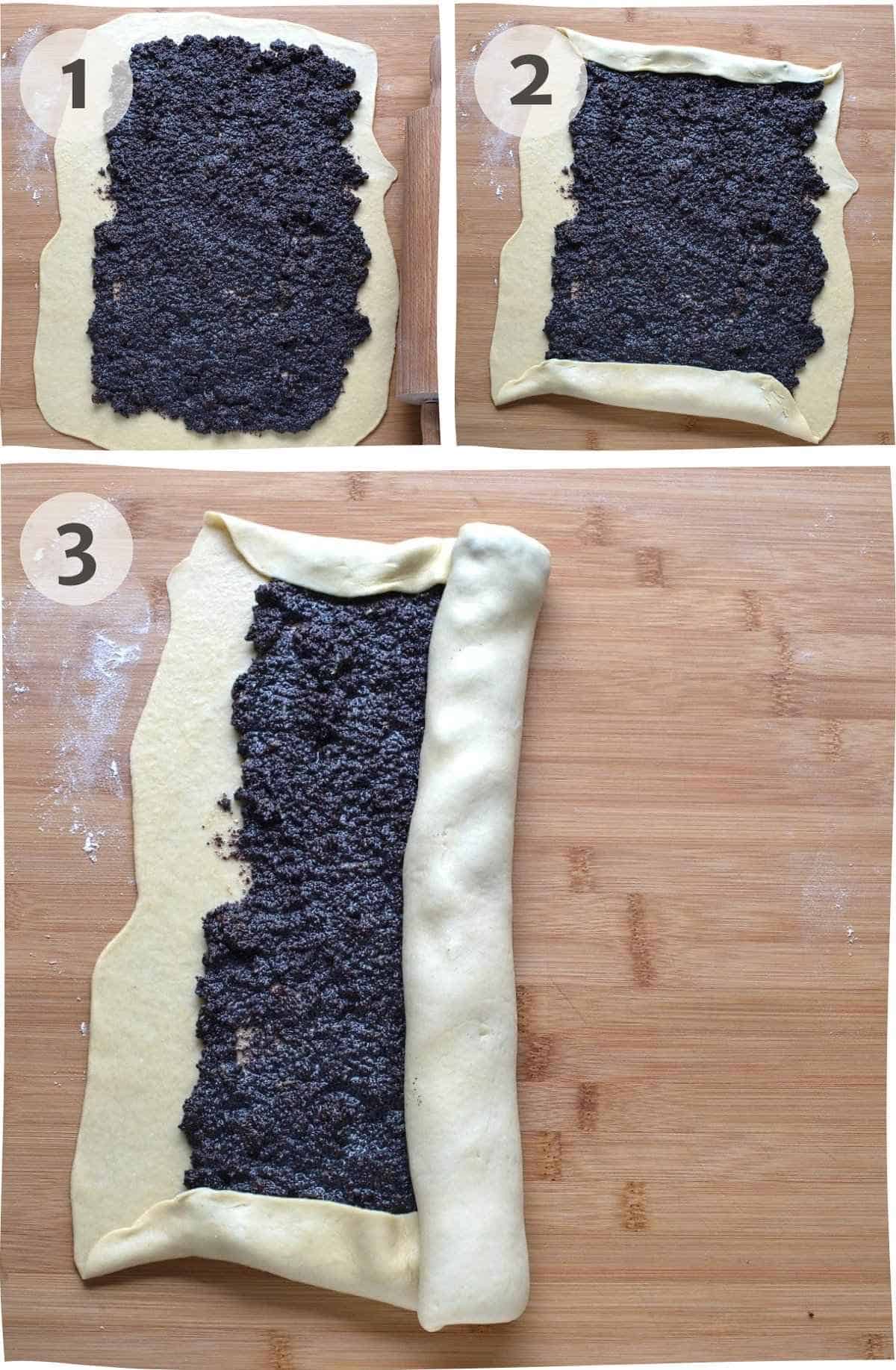
STEP 6/9: Spread the chilled poppy seed filling onto the rolled-out dough, leaving about an inch (2,5 cm) of space along the edges (photo 1). Fold the shorter sides over the filling first (photo 2), then roll the longer side towards the other edge (photo 3).
STEP 7/9: Line a baking sheet with parchment paper. Place the rolled strudel on it with the seam side down and let it rise in a warm place for another half an hour (the so-called second rise).
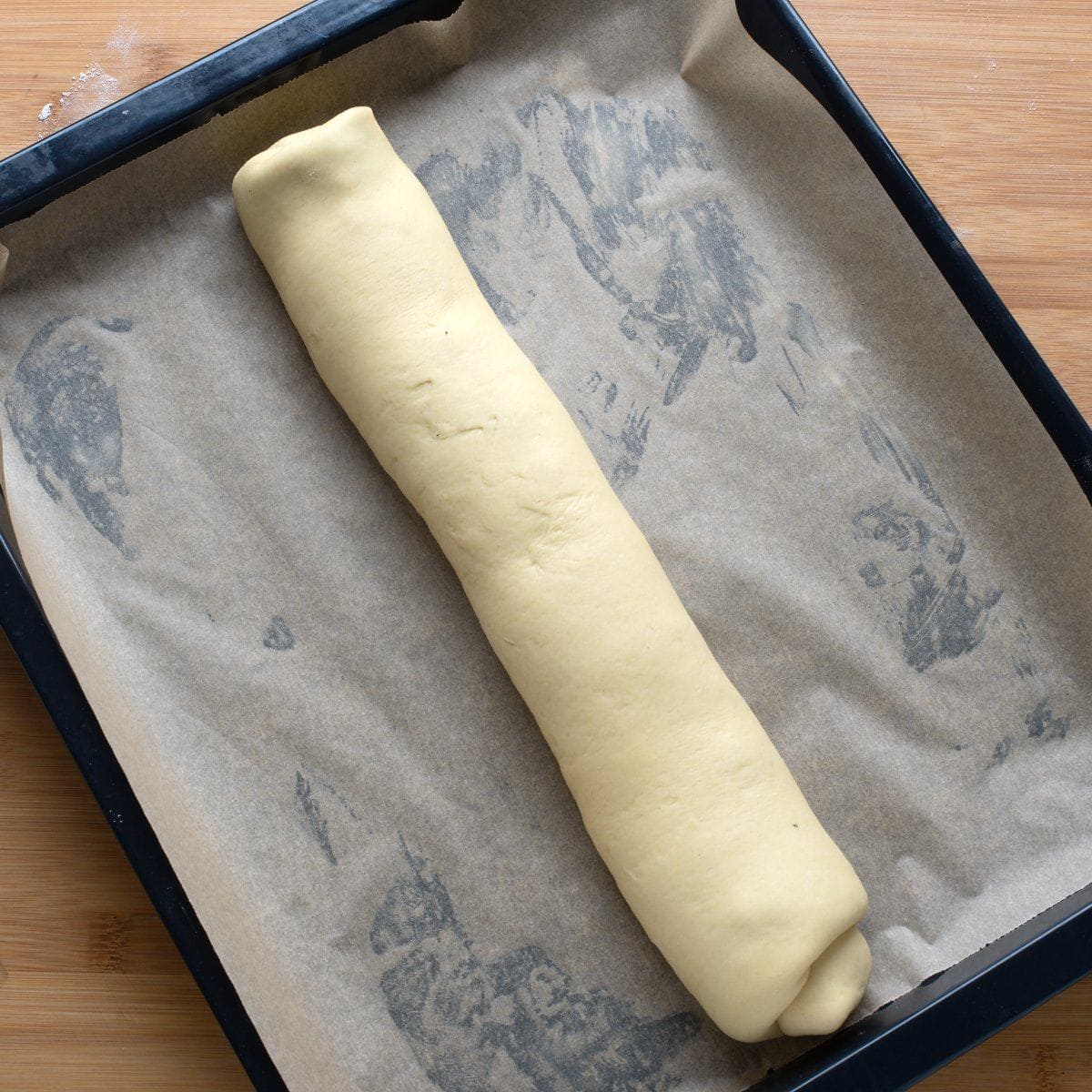
TIP: To secure the parchment paper onto the baking sheet, lightly grease the sheet in a few spots with butter or another fat. This helps the paper adhere to the sheet and stay in place.
STEP 8/9: Brush the raised roll with the reserved egg white from when you prepared the dough. I lightly beat the egg white with a fork to make it easier to brush. Egg wash gives your pastry that desired shiny crust after baking.
Use a fork to prick the surface of the roll to prevent it from cracking.
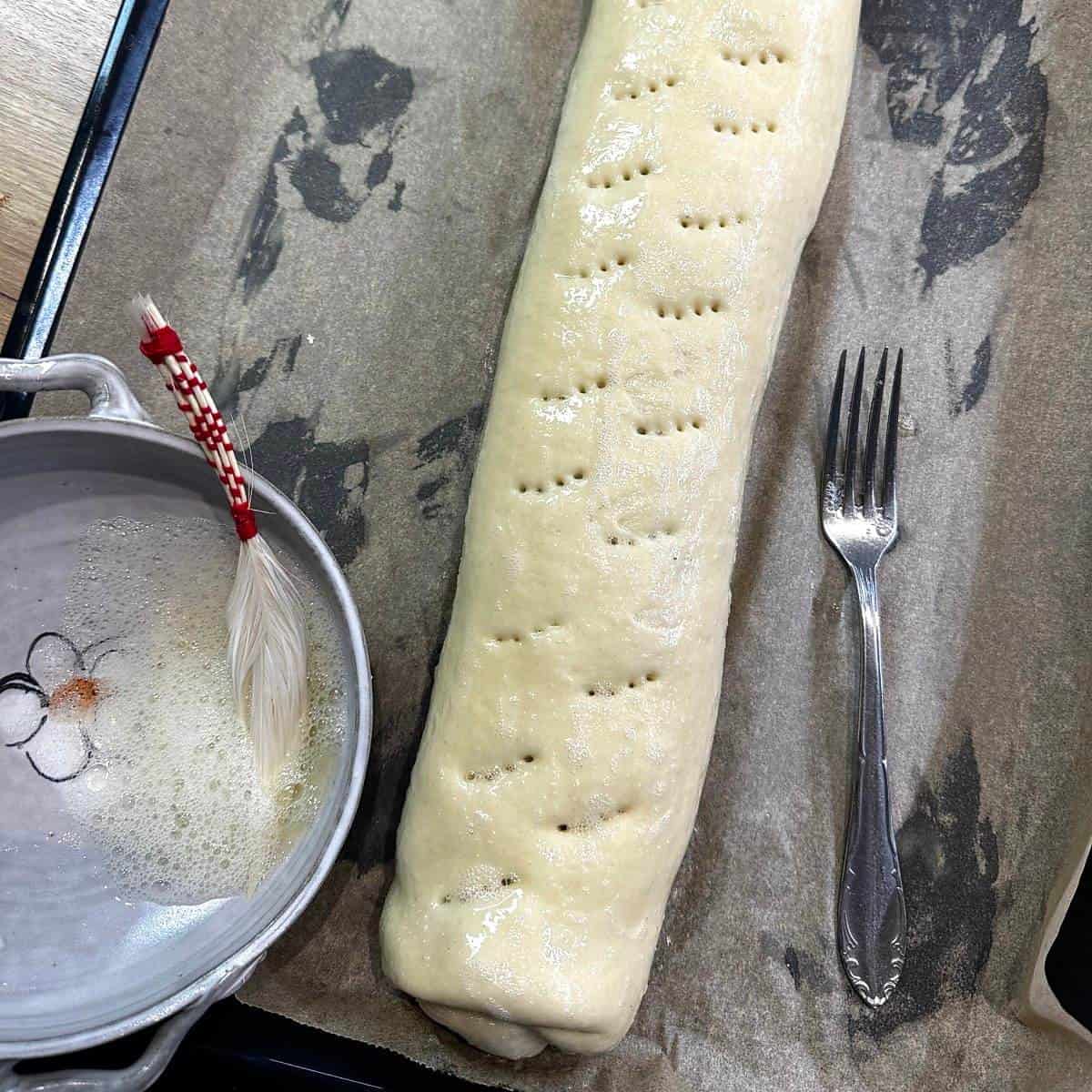
STEP 9/9: Preheat the oven to 350°F (170°C). Bake the roll for 30 minutes until the surface turns golden brown.
My favorite trick is to brush the freshly baked strudel with melted butter for a fragrant and beautifully soft result.
➜ How to serve
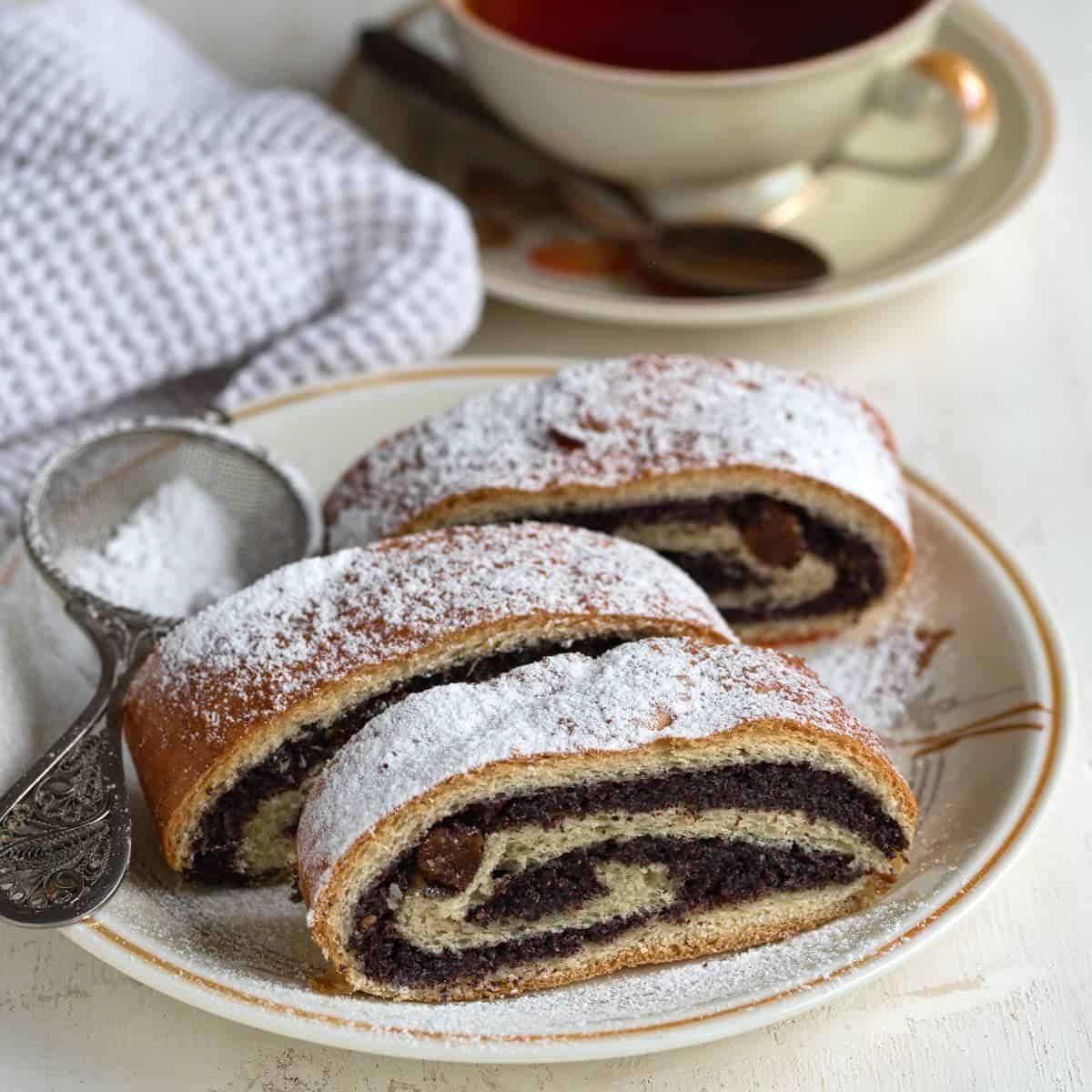
Let the pastry cool on the baking sheet, or carefully transfer it along with the parchment paper and let it cool on a metal rack. Once cooled, slice the roll 1 and ½ inches (4 cm) thick and serve. For those who enjoy a sweeter taste, dust it with powdered sugar-that's how the Czechs usually do it.
The poppy seed roll pairs wonderfully with a cup of coffee or tea, whether enjoyed during family gatherings or savored as a delightful breakfast treat.
Poppy seed rolls taste best when they are still slightly warm and fresh. I assure you, one piece won't be enough!
➜ How to store poppy seed roll
Cover the cooled roll with a clean kitchen towel and leave it on the countertop. This way, it will stay fresh for about three days. To extend its shelf life, store the roll in a lidded container in the refrigerator.
If you have any leftover rolls, freeze them. I recommend slicing the loaf into pieces (without dusting them with sugar on top), placing them in an airtight container or freezer bag, and storing them in the freezer. They will last for at least three months there.
To thaw, remove it from the refrigerator and let it come to room temperature. If the bread roll is sliced into pieces, thawing typically takes one to two hours.
➜ Useful tips
- Start making the poppy seed filling ahead of time. For the leavened dough, use filling that's brought to room temperature. Never too hot or too cold-avoid using filling straight out of the fridge, for instance.
- In the Czech Republic, you can already buy pre-ground poppy seeds. If you only have whole poppy seeds, put them in smaller batches into a food processor or a clean coffee grinder and pulse them quickly to grind. The texture of the ground poppy seeds should resemble fine wet sand. If you grind them for too long, they will turn into a dense, greasy mass-something you don't want.
- Raisins in the poppy seed filling are optional; if you don't like them, feel free to leave them out.
- Every Czech home baker prepares their poppy seed filling a little differently. A popular way to enhance its flavor and juiciness is by adding a spoonful of spicy jam or plum jam (Czech povidla, Slovak lekvár).
More poppy seed recipes:
- Škubánky s mákem - a Czech sweet treat
- Noodles with poppyseeds - nudle s mákem
- Puff pastry with poppyseed filling - kohoutí hřebeny
- Poppy seed bundt cake - Czech maková bábovka
- Bobalki - Slovak Christmas bread balls
Tried this recipe?
Leave a review down in the comments! ⭐⭐⭐⭐⭐
Other readers and I love hearing what you think. Stay in touch by following me on Facebook and Pinterest. For more Czech stuff, subscribe to my newsletter!
📖 Recipe

Poppy Seed Roll - Czech Makový závin
Tap or hover to scale
This recipe was developed in grams. For the most accurate results, tap the purple METRIC toggle and use a kitchen scale.
Ingredients
Sweet yeast dough:
- 1 ¾ cup all-purpose flour
- ½ cup milk warm
- 2 Tablespoons granulated sugar
- ⅓ stick unsalted butter softened at room temperature
- 1 ½ teaspoons active dry yeast
- 1 egg yolk
- 1 egg white
- ⅛ teaspoon salt
Poppy seed filling:
- 1 ½ cup ground poppy seeds
- ⅔ cup milk
- ½ cup granulated sugar
- 1 Teaspoon spiced rum Kirkland from Costco or Austriah Stroh 40
- 1 teaspoon vanilla paste (or vanilla essence)
- 2 teaspoons lemon zest freshly grated
- ¼ teaspoon ground cinnamon
- ⅓ cup raisins
Misc.:
- 1 Tablespoon powdered sugar for dusting, optional
Instructions
- Prepare yeast dough: First, proof the yeast. Pour a teaspoon of sugar into ½ cup of warm milk, add 1 ½ teaspoons active dry yeast, and stir. Let the yeast activate in a warm place; that means the yeast should be foamy on the surface. It all takes 10-15 minutes.
- In the mixing bowl, pour in 1 ¾ cup all-purpose flour, remaining sugar and warm milk, 1 egg yolk, and the activated yeast mixture. Start the kitchen stand mixer at medium speed for about a minute to roughly combine the ingredients. Then add ⅓ stick unsalted butter and ⅛ teaspoon salt, continuing to knead the dough-for about ten minutes-to achieve a very smooth and elastic texture.
- Remove the finished dough from the dough hook, shape it into a ball, and place it in a bowl. Cover it with a clean kitchen towel or plastic wrap, and let it rise in a warm spot until it doubles in size. This usually takes about an hour to two, depending on the surrounding conditions.
- Make poppyseed filling: While the dough is rising, prepare the poppy seed filling. In a saucepan, heat ⅔ cup milk with ½ cup granulated sugar; add 1 ½ cup ground poppy seeds, ⅓ cup raisins, ¼ teaspoon ground cinnamon, 2 teaspoons lemon zest, and 1 teaspoon vanilla paste. Stir everything together. Reduce the heat and simmer for about ten minutes. Finally, add 1 Teaspoon spiced rum. Let the filling cool on the kitchen counter.
- Turn out the raised dough onto a lightly floured surface. Roll the dough into a roughly rectangular shape, if possible. The size depends on the baking sheet-the roll should comfortably fit lengthwise on the sheet.
- Spread the chilled poppyseed filling onto the rolled-out dough, leaving about an inch of space along the edges. Fold the shorter sides over the filling first, then roll the longer side towards the other edge.
- Line a baking sheet with parchment paper. Place the rolled strudel on it seam side down and let it rise in a warm place for another half an hour (the so-called second rise).
- Brush the raised roll with 1 egg white you reserved earlier when preparing the dough. Use a fork to prick the surface of the roll to prevent it from cracking.
- Preheat the oven to
 350 °F. Bake the roll for 30 minutes until the surface turns golden brown.
Notes
- The basic recipe makes 1 poppy seed roll loaf.
- SERVING: Let the pastry cool on the baking sheet, or carefully transfer it along with the parchment paper and let it cool on a metal rack. Once cooled, slice the roll 1 and ½ inches (4 cm) thick and serve.
- For those who enjoy a sweeter taste, dust the slices with powdered sugar-that's how the Czechs usually do it.
- My favorite trick is to brush the freshly baked strudel with melted butter for a fragrant and perfectly soft result.
- Start making the poppy seed filling ahead of time. For the leavened dough, use filling that's brought to room temperature. Never too hot or too cold-avoid using filling straight out of the fridge, for instance.
- How to grind poppy seeds? Put them in smaller batches into a food processor or a clean coffee grinder and pulse them quickly to grind. The texture of the ground poppy seeds should resemble fine sand. If you grind them for too long, they will turn into a dense, greasy mass-something you don't want.




Peter Filip says
Great job! Thank you for the delicious roll ????
Petra Kupská says
You are very welcome, Peter!
Sarah says
I am making this for my parents for Christmas in honor of my grandma. I am having trouble understanding some of the directions. In the first part, it says to combine “1/2 cup of milk, 1 1/2 teaspoon of active dry yeast, and 1 teaspoon of sugar” and let it activate. In the second part of the dough directions it says to add the yolk and “remaining milk and sugar and activated yeast mixture” but the ingredients list does not say to set aside any additional milk or sugar outside of what’s in the activated yeast mixture. I’m not sure if I’m misunderstanding and bake often but I wanted to clarify. Thank you so much for your recipes!
Petra Kupská says
Sarah, what a beautiful reason to bake this, in honor of your grandma. Let me untangle it for you. At the start you activate the yeast with just part of the milk and sugar: the 1/2 cup milk, the yeast, and 1 teaspoon of sugar, until it foams. Later, the "remaining milk and sugar" simply means the rest of the milk and sugar listed in the ingredients, the part you did not use to activate the yeast. So you add that leftover milk and sugar along with the yolk and the foamy yeast. I hope it turns out wonderful for your parents.
Brenda Lee Krejci says
hi, been a fan for awhile now. Love your recipes, especially this one. Do you have a cookbook for sell?
Petra Kupská says
Thank you so much, that really means a lot! I am so happy you’ve been enjoying the recipes, especially this one.
I don’t have a cookbook available just yet, but it’s definitely something I’d love to do in the future. In the meantime, the recipes on the site will have to tide you over.
I am so glad you’re cooking along with me.
Thanks again for your lovely support,
Petra
Jean Luby says
Hello, I am Czech and as a child this is was always my favorite treat my mom would make for us among the many Czech kolace. She also had a special grinder which unfortunately got lost over the years. Since then I have tried many ways of grinding the poppy seed none have done as good a job as the original we had. At last I found a spice grinder that worked quite well only it does it in very small amounts, sufficient for spices but 2 C of poppy seed does take some time. I also prefer honey as for it's aroma to sugar, jam will pass. I''m glad to have found your website and look forward to more Czech recipes. Love the yeast kind best of all.
Jarus
Celeste says
My mother somewhere got the idea to add a bit of crushed pineapple to the poppyseed filling...it's heavenly.
Anicka Cooklikeczechs.com says
Glad to hear you have modified the recipe to taste! 🙂
Shari says
I love your recipes. but I also love your Czech pronunciation recording of the dishes! Lately, I'm not finding that and missing it! The recordings remind me of my great-grandparents. I am so surprised how easily the words come to my tongue for an American girl raised with English! Just goes to show you how quickly small children pick up the ability to speak "Mother Tongue!" Adjust I look in another place for it?
thank you!
Petra Kupská says
Thank you so much for your kind message! I am so happy to hear you’ve been enjoying both the recipes and the pronunciation recordings—that really means a lot. It’s so touching that they remind you of your great-grandparents. ❤️ You’re absolutely right—languages from childhood stay somewhere deep inside us! I love that the Czech words still come so naturally to you. I am sorry the recordings haven’t been showing up lately. I will pay extra attention. Thank you for noticing and for your lovely note.
Catherine Flemming says
Maybe try an electric coffee bean grinder to do your poppy seeds.
Amy says
My dad talks about his Czech grandmother making a bread with ground poppy seeds and dried fruit, that he called “pachka.” (That’s how it sounds, not sure how it’s spelled.) Based on his description, it sounds pretty close to this - can’t wait to make this for him!
Petra Kupská says
Thank you for your comment, Amy! I have already heard the word "pachka" or "paska" in connection with the strudel roll. I hope your dad will like this recipe.
Kerian says
Pashka is not only a bread. It is the cheese with fruit that is famous. It is also sold in Belgium - at least since the 1970s - and the word comes from Easter (from the Jewish word Pesach - Passover). It is traditionally a bread made for Easter and the accompanying cheese to go with it. As a vegan, I miss it. I know a vegan cheesemaker and will ask her to try and create a version of vegan pashka. Often, in Belgium it is chocolate-flavored. But you often also see it with candied fruits and nuts.
Mary says
Hi there,
Your recipe sounds great and I can't wait to try it. I'm wondering why there isn't a second rise after the loaf is rolled?
Thanks. Mary
Cindy W says
Would it be sacrilegious to use Solo brand poppy seed filling with some added raisins in a cake like this? I use it in Kolachkes and often have left over that I don't know how to use. This looks delightful!
Petra Kupská says
I don't live in the US, so I can't judge objectively. However, I have heard nothing but praise for Solo's poppy seed filling! I've read that it's used to fill sweet pastries and works perfectly fine. I firmly believe it would be great in this poppy seed roll recipe as well 🙂 With warm greetings from Bohemia, Petra
Susan Young says
It is wonderful actually. My father and uncles appreciated that I began to make this as a teenager as my grandmother did not teach any of us. I still make it at Christmas 🎄 and I feel my father’s presence throughout. I also make the nut roll and a modern twist of almond filling and chocolate.
Anicka Cooklikeczechs.com says
Thank you so much for your wonderful comment, Suzan.
Merry Christmas and my best to you and your family.
Katie says
just made this for my friends and it was a big hit! Bookmarked for future use! I like that they aren't too sweet, really good with my morning coffee.
Petra Kupská says
Thank you for your nice comment, Katie! Glad to hear you liked the poppy seed roll 🙂
Sarah says
Thanks, as always, for your great recipes! Do you think I could freeze the already baked poppy seed roll? I'm thinking about making this ahead for holiday breakfast. It would be great to pull this out of the freezer, ready to go, amidst the craziness of the holidays.
Jim says
My dough is not rising. I used active yeast. Did I do something wrong?
Petra Kupská says
Jim, I am sorry to hear this! There may be several reasons why the dough does not rise. Have you tried making a starter beforehand, i.e., pouring the yeast into lukewarm milk with a little sugar and testing to see if the yeast starts to foam and bubble on the surface? Is the dough placed in a warm, draft-free place during rising? The more fat the dough contains, the heavier it is and the longer it takes to rise than the recipe may indicate. I believe that the dough did eventually proof, and you successfully baked the poppy seed roll.
Patsy Lisko says
If I make this can I freeze one of the loaves? My grandma used to make this when I was a little girl. I would love to try it
Anicka Cooklikeczechs.com says
Hello Patsy, yes, you can definitely freeze one of the loaves - then simply let it defrost at room temperature. I am happy the recipe brought back memories of your grandmother. Good luck and let me know how they turn out!
Liana Bajer says
Delicious! The first time I made this recipe, the dough didn’t rise. The second time, I proofed the yeast in a few tbsp of warm water. It rose. It’s sooo delicious! It tastes like the original.
Anicka Cooklikeczechs.com says
Hello Liana, thank you for your comment and feedback! You did a great job with fixing the rising dough. I am so happy the recipe was a success.
Amy says
I was wondering, what kind of jam does one typically use? Thank you!
Anicka Cooklikeczechs.com says
Hi Amy, thank you for asking - you could use any spicier one like plum, strawberry, currant... Hope this helps!
Sherry Holt says
Is this similar to the Slovenian recipe for “POTICA” that our grandmother used to make for the holidays?
Sherry
Jeff says
Awesome recipe. Dough was very workable. Thanks for sharing it.
Anicka Cooklikeczechs.com says
Thank you for your comment and kind words, Jeff.
Rebecca Szakacs says
Can I use whole wheat milled flour?
Terry says
Where / when do you add the raisins. Do they go in whole?
Anicka Cooklikeczechs.com says
Hello Terry, thank you for asking - the raisins indeed go in whole, either right into the poppy seed filling or you can add them just before rolling the dough. Hope this helps!
Cyd hay says
Just started the recipe
Does not look like there is enough flour. But, letting it rise to see what happens
Andrea says
Same problem here. Had to add much more flour to get the right dough.
Petra Kupská says
I am sorry to hear. As I describe in the recipe, it is ideal to make the yeast dough in a kitchen mixer with the kneading hook on and let the dough process for about 8–10 minutes. The dough will be nicely elastic and soft; there is no need to add more flour. If you are working by hand, you may need to add more flour to prevent the dough from sticking together. You also have to remember that every flour is different. Drier flours absorb wet ingredients more easily, so you may need to add more to get a workable dough.
Lynne Hinkey says
Delicious! Thanks for sharing the recipe. We call these buchta! Our family made them with either walnuts, poppyseed, lekvar (prunes) or apricot. My husband has expanded to include more tropical flavors like guava and coconut (copied from the similar Puerto Rican Brazos Gitanos/gypsy arms).
Petra Kupská says
Thank you for your kind insight into the recipe, Lynne! Walnuts, lekvar (povidla), poppyseed, and Tvaroh cheese filling are the most common the Czechs use. Guava and coconut sound like an interesting twist!
Suzanne RN says
I have always enjoyed poppyseed roll/strudel and this recipe and the videos to help make this are excellent! I even made the ground poppyseed filling with my coffee grinder and non sugar sweetener! I found some excellent gluten free flour from Italy and it made the best gluten free strudel that I have ever baked! if you like poppyseed, then you must try this recipe! It's so delicious 😋
Phyllis Mary Pancella says
Can you tell us the name of the flour brand?
Rheanna Bowers says
I had a can of Solo poppyseed filling to use up so made this recipe. Next time I will make your filling recipe as I’m sure it’s amazing. The roll was delicious, the dough was tender, not dry at all! My kids, who have never had poppyseed rolls before, loved it and told me they’d “absolutely eat it again.” Great recipe, other than subbing the premade filling, I made exactly as written.
Elizabeth Carpenter says
I loved the poppy seed roll. I also make poppy seed kolaches
Petra Kupská says
Amazing! That makes me so happy!
Vidal Belduque says
Es lo más delicioso que he probado en mi vida!!!
Petra Kupská says
I am so happy to hear that! 😊 It’s such a joy to know that you liked it so much!
Brenda Lee Krejci says
love your baking recipes. my ubby is Czech and has truly enjoyed them
if I am short on time is it okay to use canned poppyseed mix?
Petra Kupská says
I am so glad you and your husband have been enjoying the recipes, that makes me so happy to hear! Yes, you can absolutely use canned poppyseed filling if you’re short on time. It’s a great shortcut! I haven’t personally used canned poppyseed filling, but I understand it’s usually smooth and sweet. I would stir in a little lemon zest or a splash of vanilla to brighten the flavor and if it is too thick add a splash of milk to loosen it up.
Naomi says
For all the recipes I remember from home, I turn first to you. Just made the Poppy Seed Roll and it’s just as I remember. Thanks. Since I live in the back woods of Arkansas and 2 hours from anywhere, I always use canned Poppy Seeds since I can’t get the ingredients for your Poppy Seed filling recipe. Thanks so much for this site.
Petra Kupská says
Naomi, this means so much to me, thank you. I am so glad the Poppy Seed Roll tastes just as you remember, all the way out in the Arkansas woods. Canned poppy seed filling is absolutely fine, and you are in good company: many of my readers use the Solo poppy seed filling. One little tip, for even better flavor, stir a little apple sauce into the filling. Thank you for turning to me for the tastes of home.
Olina says
Hi Petra,
thanks for the recipe. I am working on it as I type it.
I believe you have extra milk listed in the detailed recipe page under instructions, point 2 it says remaining sugar, warm milk and and the activated yeast mixture. It's confusing, as that milk is not listed in the ingredients....
Christine says
I've exhausted my grocery stores and am not finding bulk poppy seeds - only small spice jars! I can find Solo brand Poppy Seed filling. Will this recipe take one 12.5 oz can or more than one? Not sure how much poppy seed filling is made via this recipe.
Petra Kupská says
Thanks for your question! The homemade filling in this recipe uses 180 g (about 6 oz) of ground poppy seeds along with milk, sugar, raisins, and spices. That makes roughly enough to generously fill one standard loaf of dough.
Petra
Karl says
I made this poppy seed roll with your recipe about 2 years ago. It was fantastic.
Today, total failure. The first batch didn’t become elastic and would not rise.
I dumped it and just made trial #2 Same result. I triple checked the amounts and even had my wife check. The mix didn’t become elastic in the mixer. Your recipe calls for 1/3 stick of butter. Did you mean 1/3 cup?
The yeast is good. Could it be the milk was 2%?
I’m an experienced baker and have made several of your recipes.
I’m frustrated.
Petra Kupská says
Hi Karl,
First, I am really sorry to hear about your experience, especially after it worked so well for you in the past. I completely understand how frustrating it must be to follow a recipe you’ve trusted and have it fail. The recipe calls for 35 g of butter, which is about 1/3 of a standard US stick (not 1/3 cup). Using 1/3 cup would be almost triple that amount, which could definitely affect the dough’s elasticity.
2% milk should generally work fine, but sometimes slightly lower fat can affect yeast activation slightly, especially if the dough consistency changes. More important is that the milk is warm (around 38–40 °C / 100–105 °F). If it was too hot or too cold, the yeast might not activate properly.
Even though you mentioned the yeast is good, a small variation in flour absorption can make a dough feel sticky or dry. If it didn’t come together and become elastic, it may have needed slightly more liquid or extra kneading to develop the gluten.
A dough that won’t become elastic is almost always a gluten development issue. Sometimes using a stand mixer on medium speed helps, but if the dough is too dry, it won’t form a smooth ball no matter how long you knead.
I know this doesn’t undo the frustration you had, but I hope these notes help. Sometimes even experienced bakers hit a “bad batch” day—it happens to the best of us.
Happy baking, I hope this helps. 🙂
Eva says
Thank you. This recipe looks great and is easier than my mother's. Is there any way I can leave the dough to rise overnight?
Petra Kupská says
That is a lovely compliment, since your mother's recipe had a lot to live up to! Yes, you can make the dough in the evening and let it rise slowly in the fridge overnight instead of on the counter. In the morning, let it sit at room temperature for about 30 to 60 minutes before you shape it, so the yeast wakes back up and gets active again.
Bettye Carpenter says
going to try next weekend
Petra Kupská says
I hope it fills your kitchen with that poppy seed smell. Happy baking! ❤️